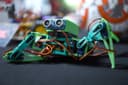







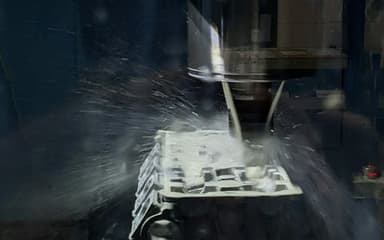



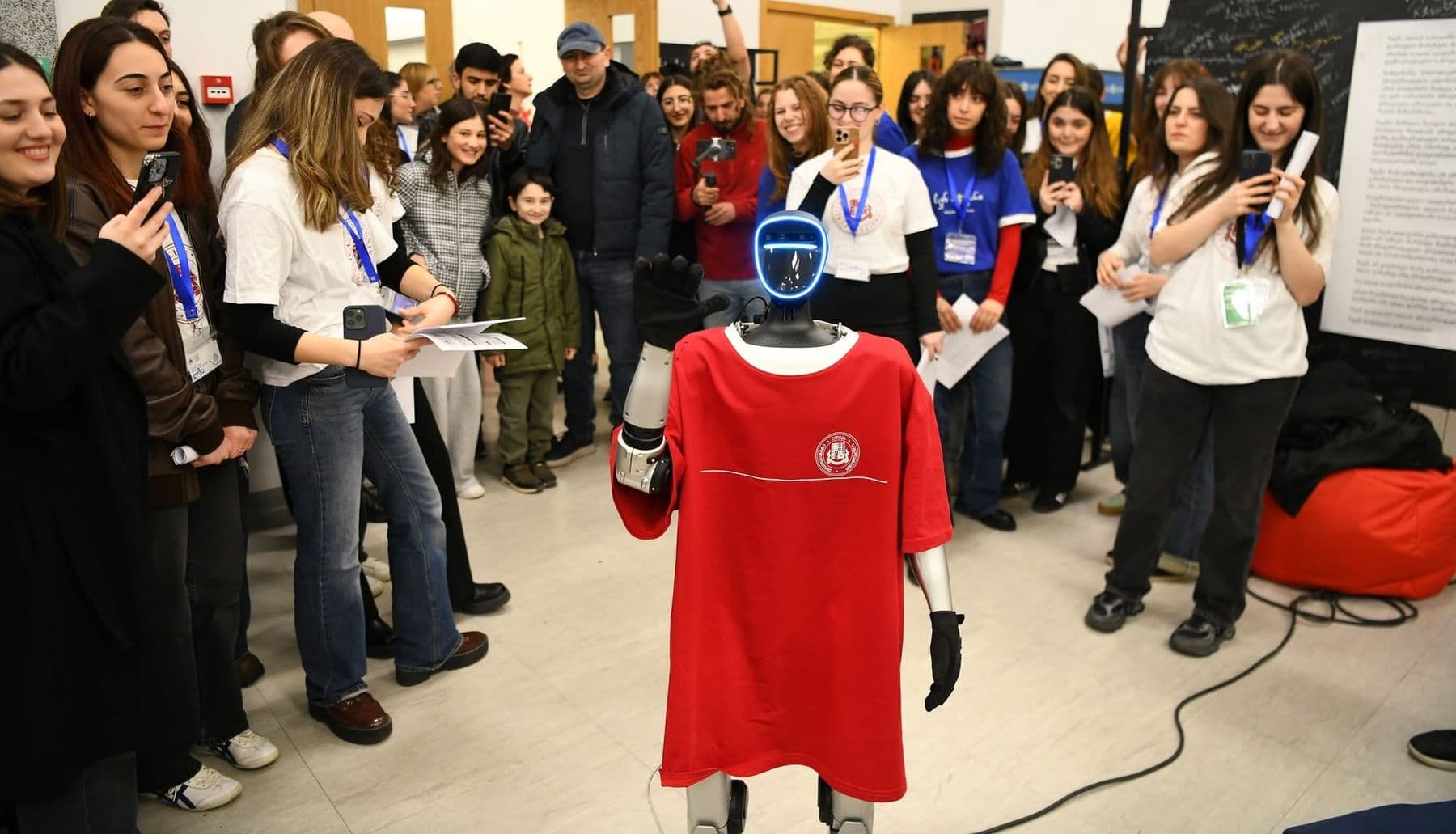
STEAM education in a school means students learn Science, Technology, Engineering, Arts and Mathematics together by building a real project. Introduce it in four stages: one pilot class, teacher training, equipment and an assessment system. Start small: a single cross-subject project per term already counts as STEAM.
Many schools equate STEM with an expensive room full of 3D printers, robots and interactive boards. In reality the equipment is secondary. What matters is how the lesson is built: students tackle a problem, test, fail, fix and present their result to others.
Below: what the research says, how to build a STEM programme in four stages, what equipment costs at different levels, and projects you can start with.
What are STEM and STEAM education?
STEM stands for science, technology, engineering and mathematics. In STEAM, the fifth letter, A, stands for arts and design. The idea is simple: an engineer who makes a good product thinks about form, aesthetics and the person who will use it. So in STEAM, drawing, design, music and presenting are part of the project, not an add-on.
Both approaches rest on project-based learning. Students meet a question before a topic: “How can we water the school garden automatically?” or “Which bridge will carry the most weight?” To answer it, they need several subjects.
| Ordinary lesson | STEM lesson | STEAM lesson | |
|---|---|---|---|
| Starting point | A textbook topic | A real problem | A real problem and a user |
| Subjects | One | Several | Several, including art |
| Outcome | Test, worksheet | Model, prototype | Prototype and its design |
| Mistakes | A bad mark | Part of learning | Part of learning |
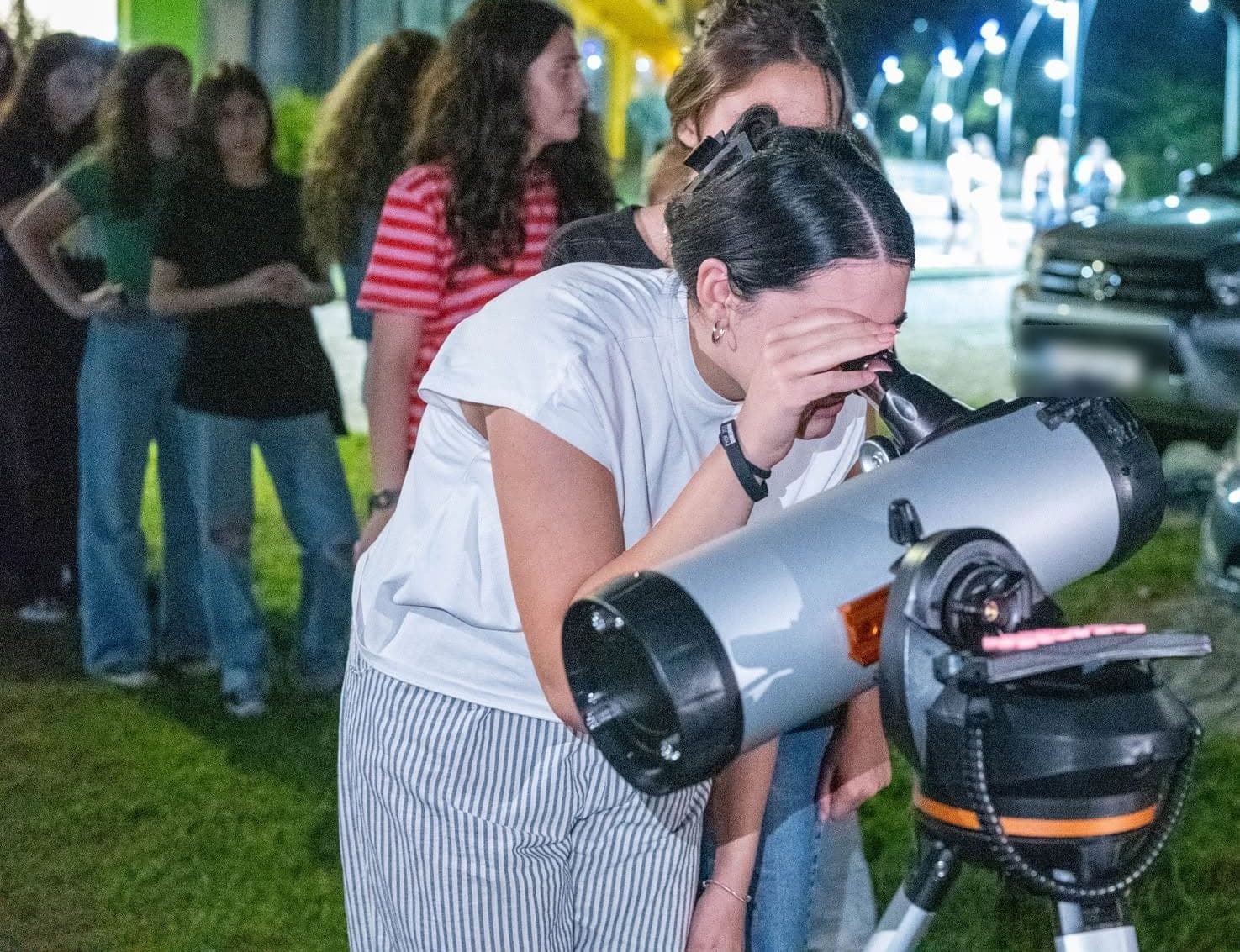
When parents look for a “STEM school” or a “STEM academy”, this kind of learning is usually what they mean: the child makes, creates and explains why their work works.
Does STEM education work? What the research says
Short answer: yes, when it is well designed. A 2014 report by the US National Academies on integrated STEM education drew three key conclusions:
- Connections must be made explicit. Students rarely see links between subjects on their own; the teacher has to show them deliberately.
- Knowledge in each subject must be supported. A project does not replace the foundations of maths or physics; it builds on them.
- More integration is not necessarily better. The report recommends a measured, strategic approach.
There is newer evidence for project-based learning too. Two large US studies covering more than 6,000 students in 114 schools found that third graders in project-based classrooms scored 8 percentage points higher on a science test, and high school students passed college-level AP exams 8 percentage points more often. Students from low-income families saw similar gains.
Equity is another argument. According to UNESCO, women make up only 35% of STEM graduates worldwide, a share unchanged for ten years. UNESCO highlights role models and mentors as especially effective in tackling gender bias. A school STEAM project where girls and boys build, code and present on equal terms is a good place to start.
How to introduce STEAM in a school: four stages
Stage 1. A pilot class (one term)
Choose one class (for example grade 7) and three teachers: science, maths, and art or technology. Plan one project together for 6–8 weeks, two hours a week. End with a small exhibition for parents. The goal at this stage is not a perfect result but learning what works in your school.
Stage 2. Teacher training
The most common STEAM problem is not equipment but teachers’ time and confidence. Teachers need a shared hour a week for joint planning, hands-on training (they should build and code what they will teach) and the chance to observe each other. A teacher who went through the pilot becomes a mentor for colleagues.
Stage 3. Equipment
Start with what you have: a computer room, Scratch, Tinkercad and household materials are enough for the first projects. Plan purchases only once you know which project needs them. Budget tiers are in the table below.
Stage 4. Assessment
A STEAM project is poorly measured by a test. Use a rubric that assesses four things: subject knowledge, process (planning, testing, fixing), teamwork and presentation. Add a student portfolio (photos, sketches, code) and a short survey before and after the project: do students like science, do they believe they can do it? This data is what helps you talk to school leaders and parents.
For the first project, choose one with a tangible result that either works or does not: a bridge that holds a load, or a greenhouse where a light switches on. Children learn the most when their build fails on the first try and they find the reason themselves.
What does a STEAM room cost? Three budget tiers
Prices vary widely by supplier, model and exchange rate, so the amounts in the table are approximate estimates (2026) and only a planning guide. As a reference point, an original Arduino UNO R4 Minima board costs 22 EUR in the official store (roughly 70 GEL, depending on the exchange rate); compatible boards and classroom kits are often cheaper.
| Tier | What it includes | Approximate budget |
|---|---|---|
| Starter | 8–10 Arduino or micro:bit kits, sensors, a multimeter, household materials | 1,500–3,000 GEL |
| Intermediate | Starter + a 3D printer, 6–8 educational robots, a soldering station | 6,000–12,000 GEL |
| Full lab | Intermediate + a laser cutter, more printers, drones, furniture | From 20,000 GEL |
Two practical tips: count kits per pair of students, not per student (pair work is better anyway), and keep 10–15% of the budget for consumables: wires, batteries, filament. How to start with an after-school club and what equipment it needs is covered in how to start a STEM or robotics club at school.
STEAM project examples: several subjects in one project
| Project | Subjects | What students do |
|---|---|---|
| Smart greenhouse | Biology, physics, maths, design | Soil moisture sensor, growth chart |
| Popsicle-stick bridge | Physics, maths, art | Compare structures, load test |
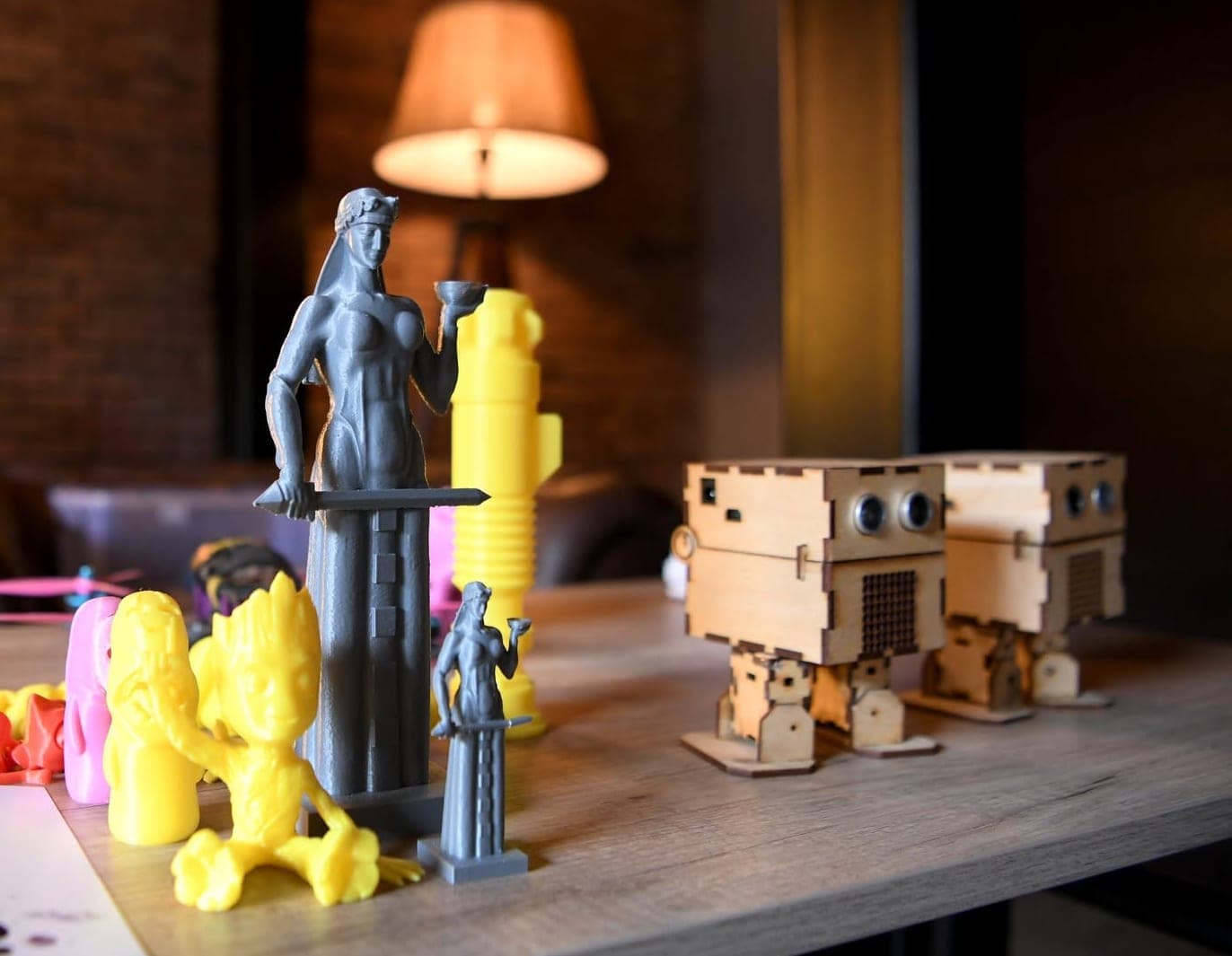
| Georgian ornament | Geometry, art, technology | Symmetry in Tinkercad, laser or 3D print |
| School noise map | Physics, geography, maths | Measure with a phone, map and conclusions |
| Colourful chemistry | Chemistry, art | Natural pH indicator and a colour palette |
Detailed maths projects are in fun maths: 5 STEAM activities, and safe experiments for chemistry class, including a red cabbage pH indicator, in fun and safe chemistry experiments. AI can be part of a STEAM project too: see fun lessons with AI.
A sample project plan: a “smart greenhouse” in 8 weeks
A first pilot project for grade 7, two hours a week, could look like this:
- Week 1. Question: what does a plant need to grow? The biology teacher explains photosynthesis; teams sow seeds.
- Week 2. Planning the experiment: what changes (light, water) and what stays the same. Maths: recording data in a table.
- Week 3. First circuit: Arduino and a soil moisture sensor, readings on the computer screen.
- Week 4. Code: if the soil is dry, a warning LED lights up.
- Week 5. Daily measurements and a growth chart in Google Sheets.
- Week 6. Design: a sketch of the greenhouse case, a cardboard or wooden model.
- Week 7. Conclusions: which condition worked better and why? Where did we go wrong?
- Week 8. Presentation for parents: the model, the chart and a two-minute explanation from each team.
Three teachers take part, but each teaches their own subject. That is integration that supports, rather than replaces, subject knowledge.
Common mistakes schools make with STEAM
The most common mistakes that slowly kill a programme:
- Buying first, planning later. A room full of equipment nobody uses, because teachers were never trained.
- One enthusiastic teacher. If they leave, the programme disappears. You need a team.
- Building by recipe. If every student does the same thing from instructions, it is an exercise, not a project.
- Subjects disappear. A project becomes entertainment if physics or maths is not really learned in it.
- Results are not collected. Without photos, student work and surveys, it is hard to justify continuing.
Frequently asked questions
What is STEAM education in simple terms?
Teaching where science, technology, engineering, art and maths come together in one project. Students solve a real problem and create something that works and looks good.
What is the difference between STEM and STEAM?
STEM covers science, technology, engineering and maths. STEAM adds arts and design: form, aesthetics, creativity and presenting an idea. In school practice the difference is small, as both rely on project-based learning.
How much does a STEAM classroom cost?
A starter level of 8–10 Arduino or micro:bit kits with sensors costs roughly 1,500–3,000 GEL. With a 3D printer and educational robots the budget grows several times. Start with a project, not a purchase.
What grade should STEAM start in?
STEAM activities work in primary school with simple materials. For a systematic programme where students code and work with electronics, grades 5–7 are a good start. The key is matching the task to the age.
Does a school need a dedicated STEM teacher?
Not necessarily. The best results usually come from a team of existing subject teachers with hands-on training and shared planning time. An external trainer helps in the first stage and with complex equipment.
Your next step
If your school is planning to introduce STEAM, Tbilisi Digital School works with schools in two ways: teacher training in AI and STEM teaching methods, and setting up a STEM club from scratch with equipment, a trainer and a curriculum. See the details on our page for schools and companies.
Sources
- STEM Integration in K-12 Education: Status, Prospects, and an Agenda for Research, National Academies Press
- New Research Makes a Powerful Case for PBL, Edutopia
- Girls’ and women’s education in science, technology, engineering and mathematics (STEM), UNESCO
- Identifying and Supporting Productive STEM Programs in Out-of-School Settings, National Academies Press
- Arduino UNO R4 Minima, Arduino Store