








Mechatronics is the engineering field that combines mechanics, electronics, programming and control in a single system. A mechatronic device senses its surroundings with sensors, makes decisions with a program on a microcontroller and acts through motors. That is how a washing machine, a car's ABS, a robot vacuum, a 3D printer and, of course, every robot work.
The word itself was born in Japan, as a blend of “mechanism” and “electronics”. Today mechatronics skills are used in more and more fields, because almost every modern machine is mechanical, electronic and “smart” at the same time.
What is mechatronics in simple terms?
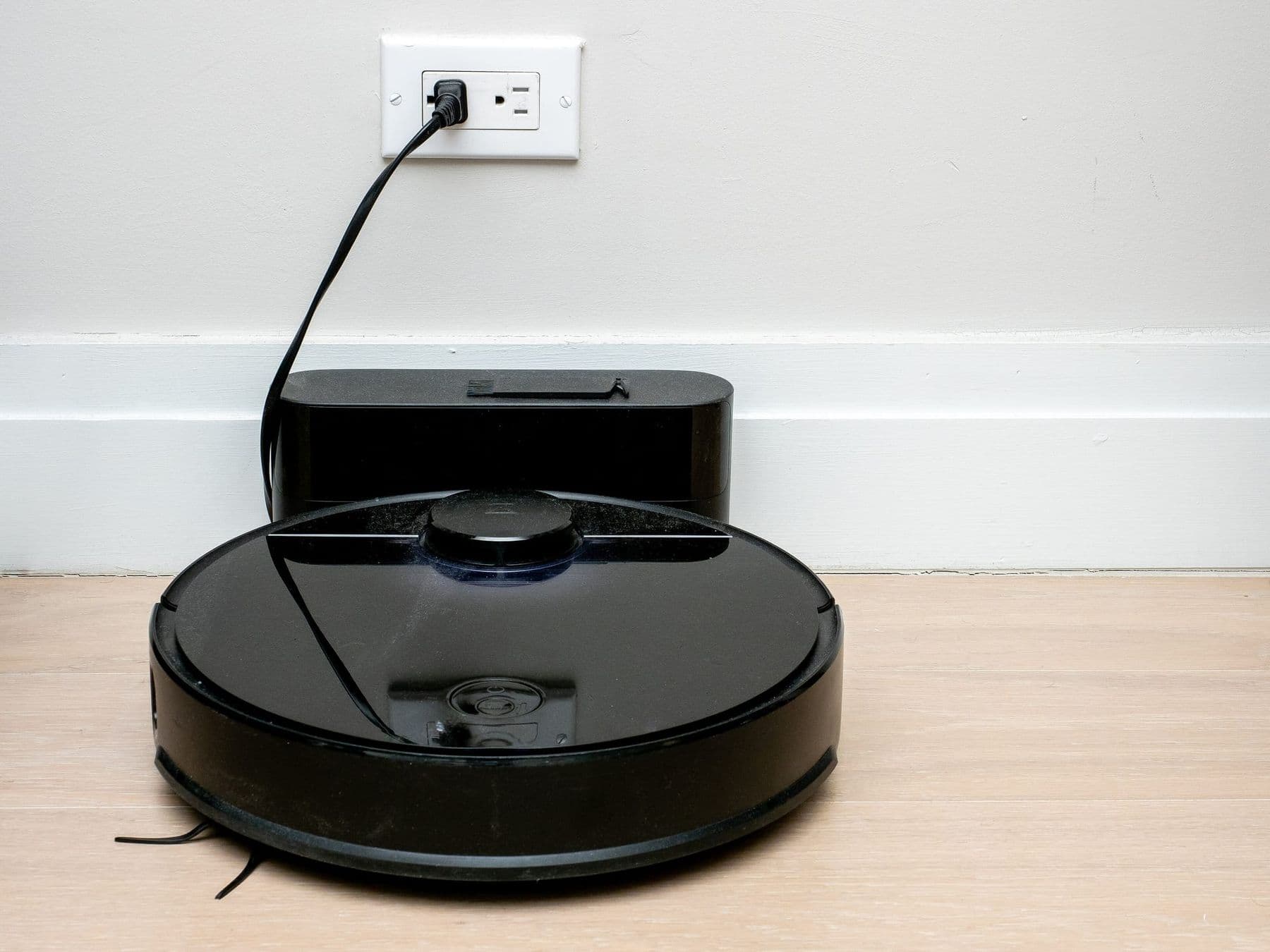
Picture a robot vacuum. It has wheels and brushes (mechanics), a battery and motors (electronics), a program that plans its route around the room (software), and feedback: when its bump sensor fires, it changes course by itself (control). Remove any one of the four and you are left with either a plain toy or just a computer.
| Part of mechatronics | What it does | Example in a robot vacuum |
|---|---|---|
| Mechanics | Shape, movement, force | Wheels, brushes, body |
| Electronics | Energy and signals | Battery, motors, charging dock |
| Sensors | Perceiving the environment | Bump, cliff and distance sensors |
| Software and control | Deciding and correcting | Route planning, avoiding obstacles |
The key idea in mechatronics is feedback: the device constantly measures what is really happening and corrects its action. A room thermostat measures the temperature and switches the heating on or off. A self-balancing robot measures its tilt and corrects its wheels dozens of times a second. This loop of “measure, compare, correct” is the heart of mechatronics.
There are two basic types of control:
- Open loop: the device carries out a command but does not check the result. A toaster browns bread on a timer, however toasted it actually gets;
- Closed loop: the device measures the result and corrects itself. A servo motor measures its shaft position and keeps turning until it reaches the target angle.
In a robotics class children meet both: “drive for 2 seconds” is open loop, while “drive until the wall is 10 cm away” is closed loop.
Where does the word “mechatronics” come from?
The word was created at the Japanese company Yaskawa Electric. According to the company's history, engineer Tetsuro Mori applied to register it as a trademark in 1969; it was registered in 1972, and the company later gave up the trademark so the word could become a general term.
The most widely quoted academic definition comes from the IEEE/ASME Transactions on Mechatronics: the synergistic integration of mechanical engineering with electronics and intelligent computer control in the design and manufacture of industrial products and processes. Put simply, engineers no longer design the mechanics, electronics and software separately, but as one system from the start.
Mechatronics in everyday life: 5 examples
- Washing machine. A motor turns the drum, sensors measure water level and temperature, and a controller follows the programme to decide when to fill, heat and spin.
- Car ABS. Each wheel has a speed sensor. If, under hard braking, one wheel slows much faster than the others and starts to lock, the control unit tells hydraulic valves to release and reapply pressure on that wheel several times a second. The driver feels this as a pulsing pedal.
- Robot vacuum. Wheels, sensors, navigation and returning to its dock by itself: a complete mechatronic system in one small disc.
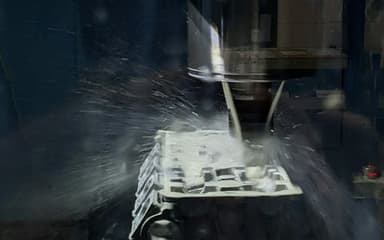
- 3D printer and CNC machine. Stepper motors move the tool in small, precise steps, limit switches mark the home position, and a program (G-code) defines every move. Learn how such machines work in what is a CNC machine.
- Lifts and automatic doors. A sensor detects a person, a controller decides, and a motor opens the door and stops if something is in the way.
Mechatronics vs robotics vs automation: what is the difference?
These three words often get mixed up. A simple rule: mechatronics is the broad foundation, and robotics and automation are two of its big applications.
| Field | What it studies | Typical example |
|---|---|---|
| Mechatronics | Designing any “smart” mechanical system | ABS, camera autofocus, washing machine |
| Robotics | Robots: machines that sense their surroundings and move on their own | Mobile robot, robotic arm |
| Industrial automation | Automatic control of factory processes | Conveyors, PLCs, packaging lines |
Robotics classes for kids are, in effect, a first course in mechatronics: in one project a child builds a mechanism, wires the electronics and writes the program.
A first mechatronics project: an automatic barrier
You can meet all four parts of mechatronics in one evening project: a toy car-park barrier that lifts by itself when a car approaches.
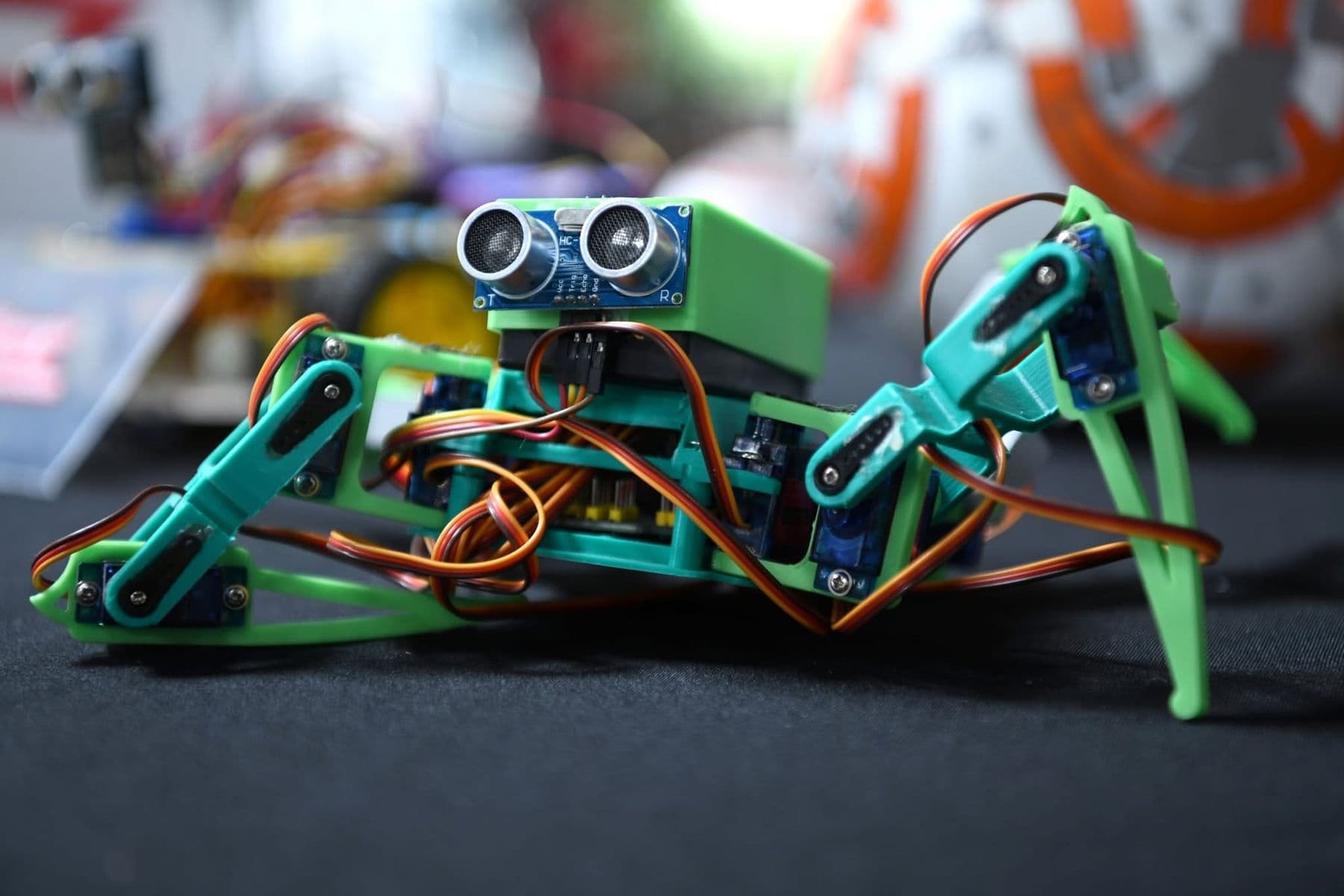
- Sensor: an HC-SR04 ultrasonic sensor measures distance;
- Controller: an Arduino Uno reads the distance several times a second;
- Actuator: an SG90 servo lifts the barrier from 0 to 90 degrees;
- Mechanics: a strip of card or wood fixed to the servo horn.
The program logic is simple: if the distance is under 10 cm, turn the servo to 90 degrees, wait 3 seconds and lower it again. This tiny project shows the whole of mechatronics: sensing, deciding, moving and a mechanical structure that transfers force. Then improve it with LED traffic lights, a buzzer or a car counter. For the parts you need and rough prices, see robot components for a first project.
Robotics and the future of work: what the numbers say
According to the International Federation of Robotics (IFR) report published in 2026, factories worldwide installed more than 600,000 new industrial robots in 2025, 11% more than the year before, and the number of industrial robots in operation reached a record 5 million.
What does this mean for people? Robots increasingly take on repetitive, heavy and dangerous work such as welding, painting and moving loads. At the same time, demand grows for people who can design, program, set up and repair these systems. Robotics and the human future are not at odds: the future belongs to those who understand and control the technology.
What careers are there in mechatronics?
According to the US Department of Labor's O*NET database, mechatronics engineers design and test automation, control systems and smart devices: they choose sensors, write embedded software and control algorithms, and calibrate systems. They use CAD software (such as SolidWorks), PLC programming tools and languages such as C, C++ and Python. Most employers expect a bachelor's degree.
Mechatronics skills are used in roles such as:
- automation and control systems engineer;
- robotics technician: setting up, servicing and programming robots;
- embedded systems programmer;
- CNC and 3D printing specialist;
- engineer in medical, automotive and agricultural technology.
How can a child start learning mechatronics?
The road to a mechatronics degree starts in childhood, with curiosity and hands-on building. By age:
- 7–10: a block-programmed robot such as mBot, construction sets, simple mechanisms like levers, gears and wheels;
- 10–14: different robots, sensors, first Arduino code, a walking robot and a robotic arm;
- 13–17: electronics basics, Arduino C++, 3D modelling and building their own device from scratch.
At school, mechatronics relies most on maths, physics and computer science, but hands-on experience matters just as much. For help choosing a course, read how to choose a robotics class for kids.
In our course “Robotics: from mBot to a Robotic Arm” in Tbilisi, students aged 10–14 start with mBot and go on to Arduino, sensors, the Ottobot walking robot, a Tello drone, a 4WD robot and a robotic arm: a genuine introduction to mechatronics. Courses for all three age groups above are gathered on our robotics courses for kids page.
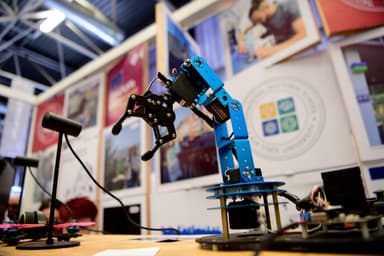 Course at TDSRobotics and Electronics 10–12: Arduino, a Robot Car and a Robotic Arm7 months · 3 phases · 72 h · Starts 21 NovDetails
Walk around your home with your child and look for devices that “sense” and “move”. The fridge, the washing machine, the microwave, an automatic light, a phone. Ask three questions about each: what does it measure? who makes the decision? what moves? Never take apart anything that plugs into the mains: just observe and discuss.
Can an adult learn mechatronics from scratch?
Absolutely. Many engineers, designers and programmers come to mechatronics through a hobby: Arduino, a 3D printer or a CNC machine. For a step-by-step plan and free resources, see robotics for adults: how to start from zero.
Frequently asked questions
What is mechatronics in simple words?
Mechatronics is the engineering discipline of building devices that are mechanical, electronic and program-controlled all at once. They sense the world with sensors, decide with software and act with motors. Robot vacuums, ABS and 3D printers are examples.
Is mechatronics the same as robotics?
No, but they are very close. Mechatronics is broader and covers any “smart” mechanical system, such as a washing machine. Robotics is the part of mechatronics that focuses on robots: machines that move and act on their own.
Which school subjects matter for mechatronics?
Maths, physics and computer science matter most. Physics explains motion, force and electricity; maths covers calculations and control algorithms; computer science covers programming. Hands-on experience from a robotics club or your own projects is a big advantage.
What age can kids start mechatronics?
Children can meet mechatronic ideas from about 7 with block-programmed robots. From 10–14 they can work with sensors, motors and Arduino, and from 13–17 with serious electronics and their own devices.
Is mechatronics a career with a future?
The number of industrial robots in operation reached a record 5 million in 2025 and keeps growing every year. These systems need people to design, program and maintain them, so mechatronics skills remain in demand in automation, manufacturing, medicine and transport.
Next step: a free open lecture
If you want your child to see mechatronics in action, come to our free open lecture What Is Mechatronics? A Lecture for Parents and Kids in Tbilisi. In 90 minutes we explain what mechatronics is, what age to start and how to choose a first field, and then tour the lab together. Registration is required.
Sources
- Milestones 1960s: the word “Mechatronics”, Yaskawa Electric
- What is Mechatronics Engineering?, Kennesaw State University
- Mechatronics Engineers (17-2199.05), O*NET OnLine
- Five Million Robots Now Operate in Factories Globally, International Federation of Robotics